I tell you what I see.
You leave with something you can put into play right away.
The owners I work with built their companies by doing. They don't want a lecture, they don't want a cheerleader, and they don't have time for a program. They want someone who'll listen hard and say the thing plainly. That's what I'm good at.
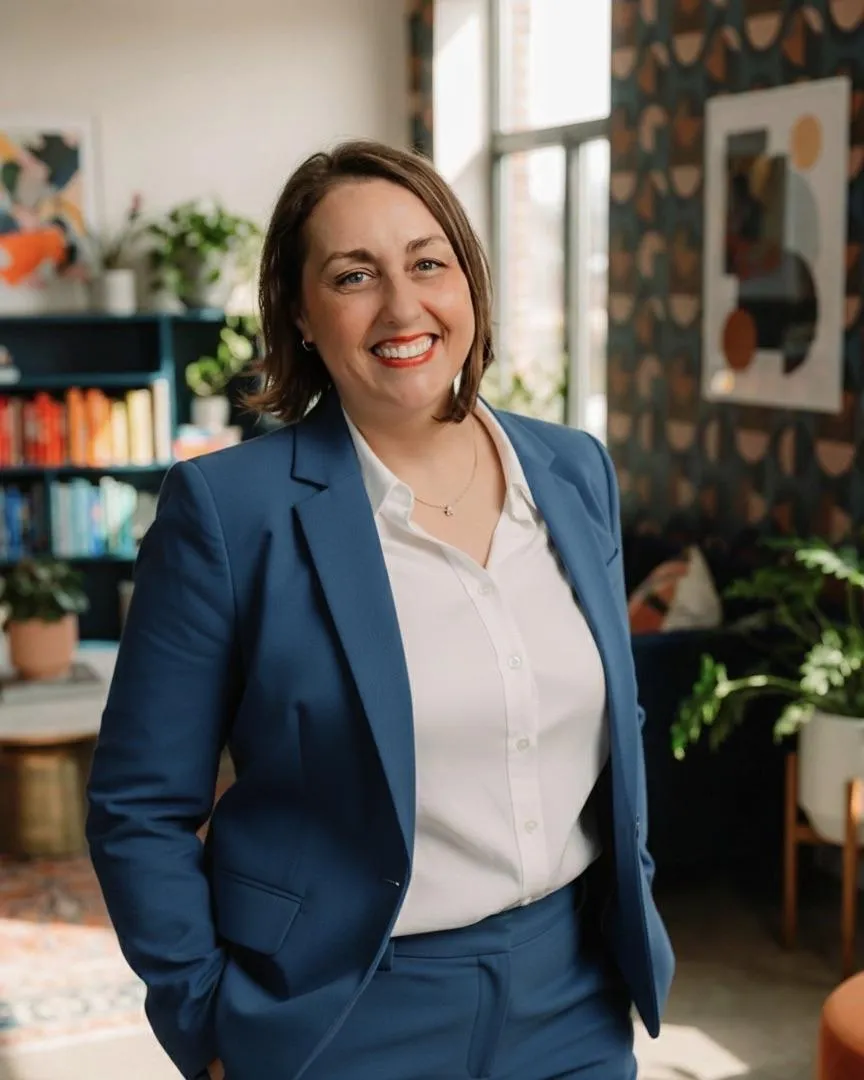
What I've been told, more than once.
Correct. If you built it by doing, you know more than you're giving yourself credit for. I'm here to sharpen that, not replace it.
Owner, partner, family, crew — I'm not there to win anyone's argument. That's why people tell me the things they've been holding back.
True, but not because I avoid them. I'm a psychologist, and I spent my early career as a therapist, which means I've sat with things heavier than most people can imagine. I can feel what you're going through and keep my head in the game. So when the succession talk gets hot, or a partner or family member finally says what they've been holding back for ten years, I don't try to fix it or smooth it over. That's real information. Feelings show up in the business — in the decisions you make and the ones you keep putting off. Avoid them and they run the place. Sit in them and nothing moves. We put them on the table, figure them out, and turn it into our advantage.
Questions are the easy part. I come back with ideas, resources, and a plan — and I'm there when you have to run it.
Most of what I do is help you see the problem while it's still small enough to fix.
The problem you bring me
is almost never the real problem.
I learned that first as a therapist, working with families in conflict. Then in twenty years and a couple hundred rooms with owners — shop floors, job sites, family companies where the org chart and the dinner table are the same table. The pattern never changes: the thing that's stuck was built by good people, on purpose, for good reasons. Which is exactly why you can't see it from inside.
Somewhere in there I got a doctorate in business psychology. It put research behind the pattern. The rooms are still where I learned it.
In their own words.
"Dr. J is the right fit if you built your leadership through doing, not through an MBA. She never talked down to me or assumed I didn't know things. I came away with tools that changed how I show up and strengthened my communication style with my partners and team."
— Josh DeMeulenaereVP Electrical Services, K2 Power"She teaches you how to fish, shows you where to fish, helps you hook it, guides you on filleting it, and shows you how to cook it too. She sets herself apart by not only asking the right questions — she follows up with good ideas and how to actually get it done. It feels like having a partner who's in it with you."
— Jordan NewCEO, Mid-City Supply Co."Her greatest strength is building trust without ever taking sides. That's what gets people to open up and say the things that actually need to be said."
— Chase MeeksG&G Hauling and ExcavatingWhat working with me looks like —
and what it doesn't.
The work is specific. So is who it's for.
The short version of a long record.
20 years. Multiple disciplines. One through-line.
Twenty years, 200+ retreats and strategy sessions — trades, manufacturing, family business, nonprofits, professional services
Doctorate in Business & Organizational Leadership
Five years designing peer retreats for founders at the Edward Lowe Foundation
Certified in a 360 tool that shows leaders how they actually land on people
Fellow, Strategic Doing Institute · APA Council Representative, 2025–2027
If this sounds like
your person —
Tell me what's happening. Fifteen minutes, no pitch. I'll tell you honestly whether I'm the right fit — and if I'm not, I'll help you find someone who is.